Source eco friendly wood cat bed for Living Room, Office, Outdoor
Source eco friendly wood cat bed options for living rooms, offices, and outdoor spaces. Compare 30 listings with varying materials, load capacities, and customization features to find the right fit for multi-cat households.
Key considerations
Products List


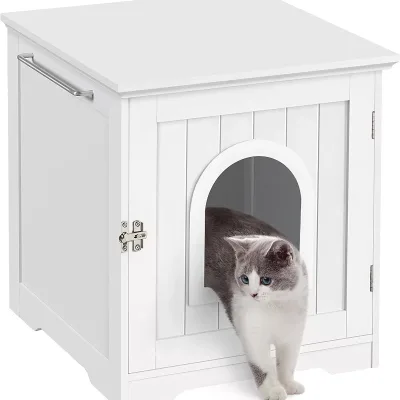


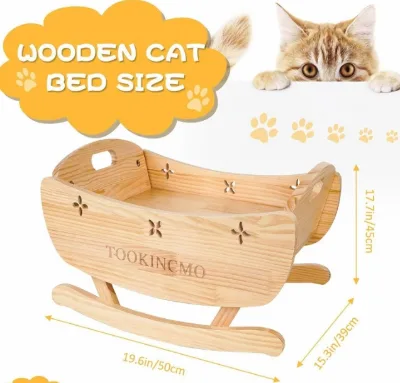
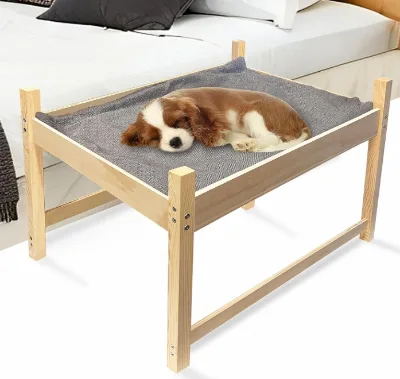
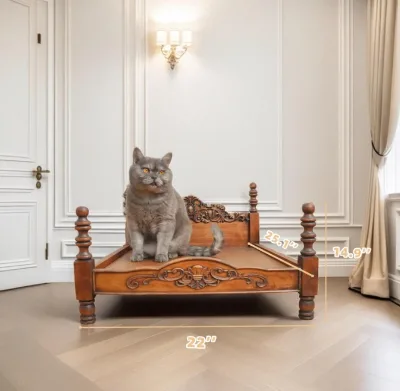
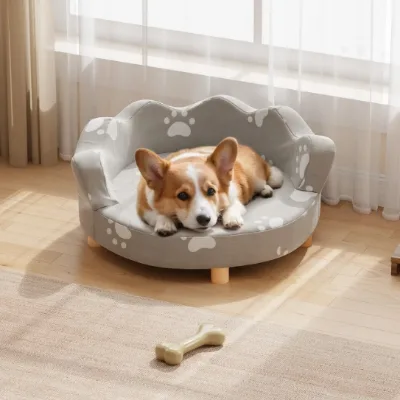
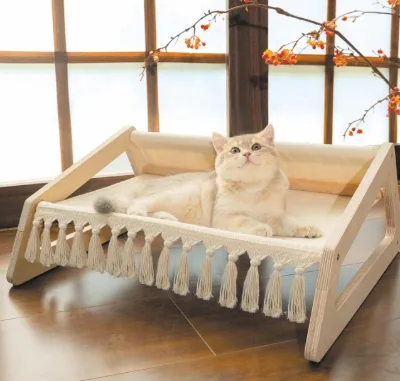
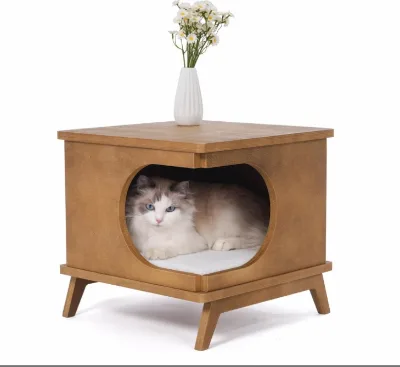
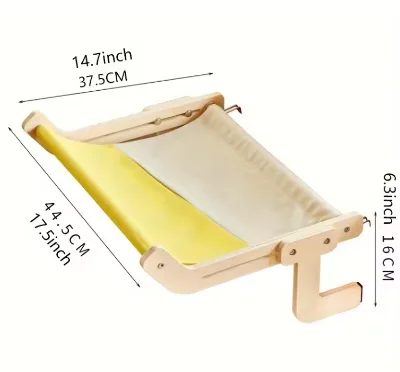
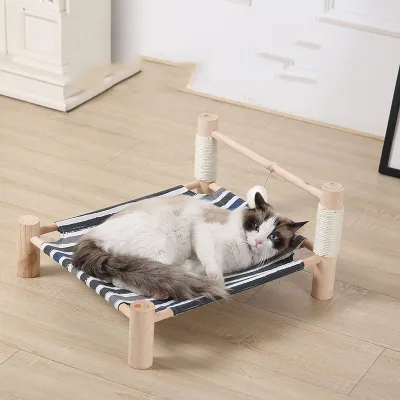


Comprehensive Sourcing Guide
Strategic Sourcing Guide for Eco-Friendly Wood Cat Beds
Understanding the Product Category and Material Composition
When sourcing eco-friendly wood cat beds, buyers must first distinguish between products that utilize actual wood structures and those that mimic the aesthetic or function using alternative sustainable materials. The market often presents a spectrum of definitions for "wood" in pet furniture. In a strict sense, this category includes beds constructed from solid timber, engineered wood, or plywood, often finished with non-toxic sealants. However, many suppliers in the current market landscape offer "eco-friendly" solutions using corrugated paper or fruitwood standards, which serve as sustainable alternatives to traditional timber.
The supplied product data indicates a diverse range of material compositions available to buyers. While some listings explicitly specify "Wooden" as the cat tree material, others highlight "Corrugated Paper" as the primary construction element. This distinction is critical for procurement teams. A bed labeled as "fruitwood" standard suggests a specific type of renewable resource or a finish derived from natural timber, whereas corrugated paper offers a highly recyclable, low-impact alternative. Buyers should verify the exact material composition of the core structure. Is the frame solid wood, or is it a composite? If the product relies on corrugated paper, the "eco-friendly" claim is often tied to the recyclability and the absence of heavy metals in the paper pulp.
Furthermore, the "Environmentally Friendly" attribute observed in the product data suggests that many manufacturers are aligning with sustainability goals. This often involves using water-based glues, avoiding formaldehyde-heavy resins, or sourcing materials from certified sustainable forests. However, without specific certification data in the general listing, buyers must treat these claims as observations that require verification. The "OEM" and "Customized" attributes indicate that the supply chain is flexible, allowing for the integration of specific eco-friendly materials requested by the buyer, such as organic cotton plush or FSC-certified wood, provided the supplier has the capacity to source them.
Technical Specifications and Functional Performance
Technical due diligence is essential when evaluating cat beds, particularly those designed for durability and safety. The functional requirements for a cat bed extend beyond mere aesthetics; the product must withstand the physical demands of feline behavior, including scratching, climbing, and sleeping. The supplied data reveals specific performance metrics that serve as benchmarks for quality assessment.
One critical specification is the load-bearing capacity. The observed data shows a significant variance, with some units rated for 5.4kg, others for 20kg, and high-performance models supporting up to 40kg. This range indicates that "large cat" suitability is not universal across all listings. Buyers must match the load-bearing specification to the target demographic of their customers. A bed rated for 5.4kg may be suitable for kittens or small breeds but would fail for large breeds like Maine Coons. Conversely, a 40kg capacity unit suggests a robust construction, likely utilizing reinforced wooden frames or dense corrugated paper layers.
Safety is another paramount technical consideration. The data highlights "Without Sharp Edges or Corners" and "Burr-Free" edge processing as key attributes. These features are non-negotiable for pet safety, preventing injuries during play or rest. The "Non-Slip" attribute further ensures stability, preventing the bed from sliding on smooth floors when a cat jumps in or out. Additionally, the "Space Design" is noted as "Open Type," which implies a design that facilitates easy access and ventilation, crucial for preventing overheating and ensuring the cat feels secure without feeling trapped.
Cleaning and maintenance are also part of the technical specification. The "Cleaning Method" is listed as "Dry Cloth Wiping" for some units, while others suggest "Wipe" generally. This distinction affects the long-term usability of the product. A bed that requires only dry wiping is preferable for environments where frequent washing is impractical. However, for beds with "Plush Part" made of "Polyester," the buyer must verify if the plush is removable or if it can be spot-cleaned without damaging the underlying structure. The "Moisture Resistance" attribute, described as "Minor Water Stains" in some contexts but "Corrosion-Resistant and Moisture-Proof" in others, requires careful interpretation. A buyer should verify the actual water resistance of the specific model to ensure it can withstand minor spills or humidity without degrading.
Compliance, Certification, and Regulatory Standards
Navigating the compliance landscape for pet furniture requires a clear understanding of the certifications that validate safety and environmental claims. The supplied data explicitly mentions "CE" certification, which is a mandatory conformity marking for products sold within the European Economic Area. This indicates that the product meets EU safety, health, and environmental protection requirements. For buyers targeting the European market, verifying the presence of a valid CE mark is a primary step.
However, the "eco-friendly" aspect of the core keyword often demands higher or more specific standards than general safety certifications. The background data references "GOTS" (Global Organic Textile Standard) and "OEKO-TEX" as low-confidence background items. While these are not explicitly confirmed in the high-confidence product facts, they represent industry benchmarks for organic textiles and safe chemical usage. A buyer seeking a truly eco-friendly product should inquire whether the plush components (if present) carry GOTS certification or if the wood components meet OEKO-TEX standards for harmful substance testing.
The "Standard" attribute in the data lists "Paper" and "fruitwood." These are not formal regulatory standards but rather material descriptors. A buyer must distinguish between a material standard and a compliance standard. For instance, "fruitwood" might refer to a specific type of wood or a finish, but it does not inherently guarantee compliance with international safety regulations unless backed by a specific test report. The "Certification" field in the data only confirms "CE." Therefore, buyers should not assume that other certifications like RoHS or GOTS are present unless explicitly requested and verified by the supplier.
When evaluating suppliers, procurement teams should request test reports that align with the intended market's regulations. For the US market, this might involve ASTM F963 compliance for toy safety, while the EU requires EN 71. The "Safety Procedures" attribute, noting the absence of sharp edges, is a qualitative claim that should be backed by quantitative test results regarding edge hardness and structural integrity. Buyers must verify that the "Burr-Free" claim is a result of a controlled manufacturing process and not just a visual inspection.
Cost Drivers and Pricing Dynamics
The pricing of eco-friendly wood cat beds is influenced by several factors, including material costs, labor intensity, and the complexity of the design. The observed price range in the market data spans from $1 to $30.15 USD. This wide variance suggests a highly segmented market, ranging from basic, mass-produced items to premium, handcrafted units.
Material cost is a primary driver. Beds constructed from solid wood or high-density corrugated paper typically command a higher price than those made from lower-grade composites. The "Wooden" material specification generally implies a higher cost base than "Corrugated Paper," although the latter can be expensive if it involves specialized, high-strength recycling processes. The "Plush Part" made of "Polyester" adds another layer of cost, depending on the quality and density of the fabric.
The "Customization" and "OEM/ODM" capabilities also impact pricing. Products that allow for "Customized Logo" printing or specific design modifications often carry a higher unit cost or a higher Minimum Order Quantity (MOQ). The observed MOQ range of 5 to 5000 units reflects this flexibility. Lower MOQs (e.g., 5 units) are typically associated with ready-to-ship or standard models, while higher MOQs (e.g., 5000 units) are required for fully customized production runs.
Lead times and logistics are additional cost drivers. The "Product Origin" is listed as "China," which is a major manufacturing hub for pet furniture. While this offers competitive pricing, buyers must factor in shipping costs, import duties, and potential tariffs. The "Carton" packing standard is efficient for shipping, but the fragility of wooden or paper structures may require reinforced packaging, adding to the overall cost. Buyers should also consider the "Storage" attribute; "Folding Storage" designs may reduce shipping volume and costs compared to rigid, non-folding units.
Supplier Evaluation and Quality Assurance
Selecting the right supplier is critical for ensuring that the "eco-friendly" and "wood" claims are genuine and that the product meets quality expectations. The supplier evaluation process should begin with a thorough review of the product specifications provided in the listing. Buyers should look for consistency in the data. For example, if a product claims to be "Environmentally Friendly" but lacks details on the adhesive or finish used, this is a red flag.
The "Design" attribute being "OEM" suggests that the supplier has the capacity to produce custom designs. This is a positive indicator for buyers looking for unique products. However, the "Customized" attribute also implies that the buyer needs to provide clear specifications. The supplier's ability to deliver on these specifications depends on their quality control processes. The "Safety Procedures" and "Burr-Free" attributes indicate a focus on safety, but buyers should request evidence of these claims, such as photos of the production line or third-party inspection reports.
Quality control should also focus on the "Load-Bearing" and "Anti-Pressure Ability" claims. A supplier that guarantees "Not Easy to Deform" should be able to provide test data demonstrating the structural integrity of the bed under stress. The "Moisture Resistance" and "Dampproof" attributes are particularly important for beds intended for "Living Room, Indoor, Office, out Door" use. Buyers should verify the supplier's testing protocols for water resistance, especially if the product is marketed for outdoor or semi-outdoor use.
The "Applicable Scene" and "Applicable Pet" attributes help in matching the product to the right market segment. A supplier that offers beds for "Family with Pets" and "Multi Cats" demonstrates an understanding of the end-user's needs. However, the "Size" specifications (S, L) and "Suitable for Cat Size" (Large Cat) must be clearly defined to avoid customer returns. Buyers should ensure that the supplier provides accurate sizing charts and that the "Floor Space" requirements (e.g., 0.3 square Meter) are clearly communicated.
Long-Term Procurement and Market Trends
Sourcing eco-friendly wood cat beds is not just a one-time transaction but a strategic decision that impacts long-term brand reputation and customer satisfaction. The market trend is shifting towards sustainable, non-toxic, and durable pet products. Buyers who prioritize these attributes can differentiate their offerings in a crowded marketplace. The "Environmentally Friendly" and "Corrugated Paper" options align well with this trend, offering a low-carbon footprint alternative to traditional wood or plastic beds.
However, the "Low-confidence background" regarding certifications like GOTS and OEKO-TEX serves as a reminder that claims must be substantiated. As regulations tighten and consumer awareness grows, buyers must be prepared to verify these claims rigorously. The "CE" certification is a baseline, but future-proofing the supply chain may require additional certifications. Buyers should engage in ongoing dialogue with suppliers to stay updated on new materials and manufacturing techniques that enhance sustainability.
The "Folding Storage" and "Integrated" assembly attributes suggest a trend towards convenience and space efficiency. As urban living spaces become smaller, products that offer easy storage and assembly will remain in high demand. Buyers should consider these features when planning their product lines. Additionally, the "Ventilate" and "Breathability" attributes are crucial for pet comfort, especially in warmer climates. Suppliers that can demonstrate superior airflow and temperature regulation will have a competitive edge.
Finally, the "Logo Printing" and "Customized Logo" options allow for brand building. Buyers can leverage these features to create a unique identity for their products. However, the quality of the printing and the durability of the logo must be ensured. A supplier that offers high-quality logo printing on "Corrugated Paper" or "Wooden" surfaces can add significant value to the final product.
In conclusion, sourcing eco-friendly wood cat beds requires a balanced approach that considers material composition, technical performance, compliance, cost, and supplier reliability. By carefully evaluating the provided data and conducting thorough due diligence, buyers can build a robust supply chain that meets the evolving demands of the pet care market. The key is to verify every claim, from load-bearing capacity to environmental certifications, ensuring that the final product delivers on its promise of safety, sustainability, and durability.
FAQs
What materials are used for eco friendly wood cat beds?
Materials include wooden frames and corrugated paper structures. Some models feature polyester plush parts for comfort. Buyers should verify the specific core material composition to ensure it meets sustainability goals and durability requirements for their target market.
How much weight can these cat beds support?
Load-bearing capacity varies significantly across models, ranging from 5.4kg to 40kg. Select a unit with a 40kg rating for large cats or multi-cat households. Always match the capacity specification to the specific breed and size of the intended pet to ensure safety.
Which certifications are available for these products?
CE certification is confirmed for products sold in the European Economic Area. While eco-friendly claims exist, specific textile standards like GOTS are not explicitly verified in general listings. Buyers must request test reports to confirm compliance with target market safety regulations.
Can buyers request custom logos and designs?
Yes, customization and OEM services are available for logo printing and design modifications. Minimum Order Quantities vary from 5 to 5000 units depending on the level of customization required. This flexibility allows buyers to integrate specific branding or material requests into the production run.
How should these beds be cleaned and maintained?
Cleaning methods typically involve dry cloth wiping or general wiping for surface maintenance. Some units with plush parts may require spot cleaning. Verify moisture resistance claims, as some models are only minor water stain resistant while others claim to be moisture-proof for varied environments.
Where are these products manufactured and shipped from?
The product origin is listed as China, which is a major manufacturing hub for pet furniture. Shipping typically uses carton packing, which is efficient for logistics. Buyers should factor in import duties and lead times associated with sourcing from this specific geographic location.
What are the dimensions and space requirements?
Available sizes include S and L, with some models occupying 0.3 square meters of floor space. Designs often feature open types for better ventilation and accessibility. Ensure the selected size fits the intended room space, whether it is a living room, office, or outdoor area.